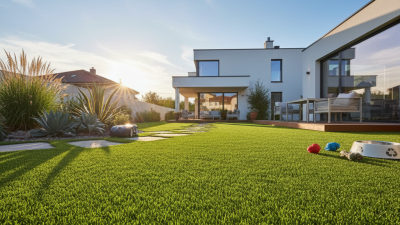
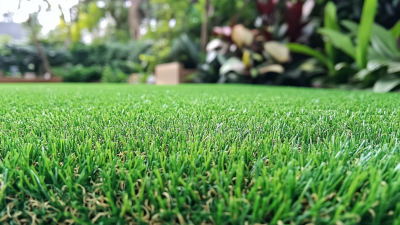
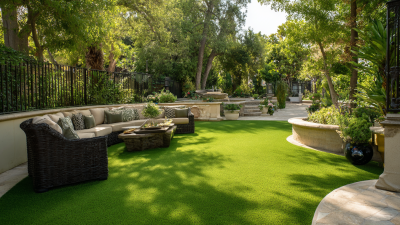
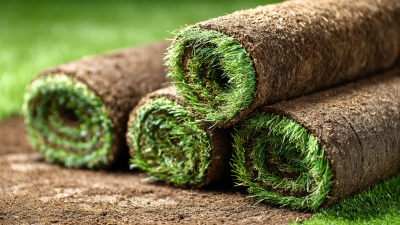
Picking the right Artificial Grass for your lawn isn’t just a small decision — it’s pretty important if you want a cute, sustainable outdoor space that really pops. Did you know that the global market for fake grass hit around $2.8 billion in 2020? And experts’re expecting that number to keep climbing by 2026. It kinda shows how more folks are leaning toward synthetic solutions for their landscaping projects.
When you’re choosing your Artificial Turf, it’s a good idea to keep a few things in mind. Things like durability, how it feels under your feet, and even the shade or color — they all matter. A report from Grand View Research points out that people are really getting into high-quality fake lawns lately, which just proves how important it is to pick wisely.
But heads up — not all Artificial Grass is created equal. Some might fade after a while, and others can feel a bit rough or plasticky when you walk on them. That’s why it’s key to think about what you really need for your yard. After all, your lawn should match your home’s vibe and be something you enjoy. And of course, never settle for the cheapest option if it’s gonna fall apart or look bad in a year — quality really makes all the difference. So, take your time, do a little research, and invest in something that’ll look great and last long-term.
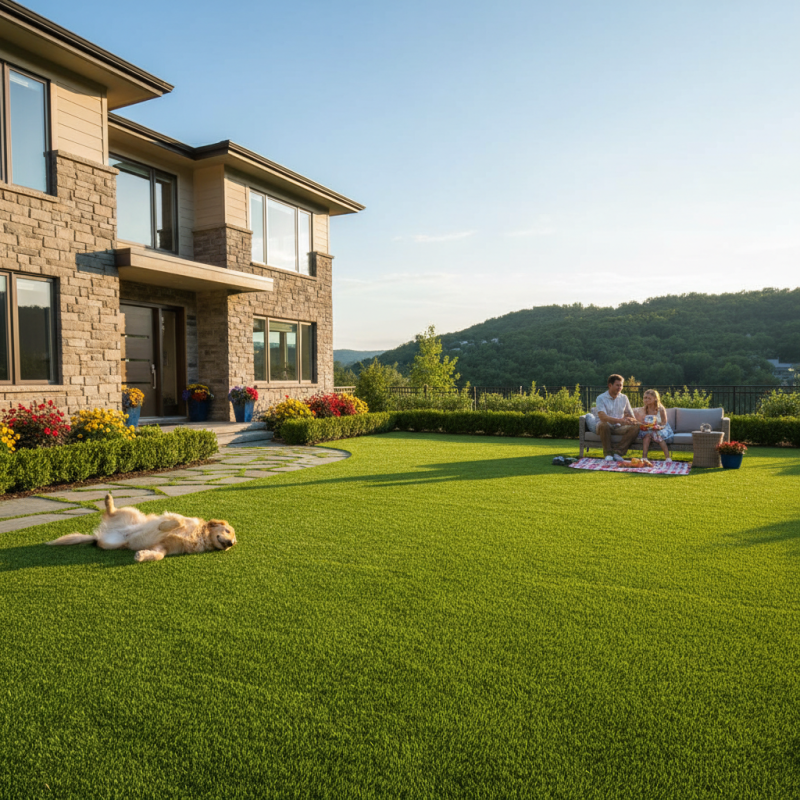
Understanding Different Types of Artificial Grass and Their Benefits
When selecting artificial grass, understanding its types is crucial. There are primarily three types: nylon, polypropylene, and polyethylene. Nylon is durable and withstands heavy foot traffic. It’s ideal for sports fields but can feel coarse underfoot. Polypropylene is less expensive and often used for decorative purposes. However, it is not as durable and may fade with time.
Polyethylene is popular for lawns because it closely mimics natural grass. It is soft, making it pleasant to walk on and ideal for families with children or pets. Each type has its own benefits and drawbacks. The choice depends on your needs and budget. Consider how you intend to use the space. If you anticipate frequent gatherings, durability is key. If aesthetics are a priority, choose the option that offers realistic colors and textures.
Reflect on your long-term goals. Will the chosen grass last? Will it still look good in a few years? It is worth assessing these factors. You might want short-term savings, but they could lead to more expenses later. Weighing options and planning carefully can lead to a satisfying choice.
Key Factors to Consider When Choosing Artificial Grass for Your Lawn
When selecting artificial grass for your lawn, there are several key factors to consider. One critical aspect is the pile height. Studies show that grass with a longer pile can provide a more realistic look. However, higher piles may be less durable over time. A balance must be struck between aesthetics and functionality. The turf's density also matters. Thicker grass is generally more resilient and can withstand foot traffic better.
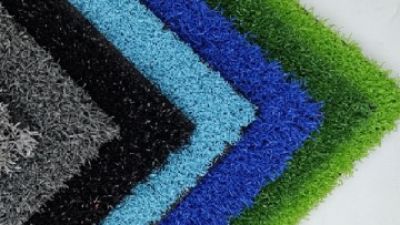
Color is another significant consideration. Many options are available, but choosing a shade that matches your landscape is essential. A natural green tone enhances curb appeal. According to a recent industry report, homeowners reported 70% satisfaction when selecting the right color for their lawn. Additionally, the infill type and quality are vital for longevity. Infill helps with drainage and keeps the grass upright. Ensure the infill materials are safe, as some may not be eco-friendly.
Lastly, consider the maintenance requirements. Artificial grass may require less upkeep, but it isn't entirely maintenance-free. Some types can stain easily, leading you to perform regular cleaning. According to a survey, more than 30% of users found compatibility issues with their cleaning products. Take time to weigh these factors to find the best artificial grass for your lawn decisions.
Evaluating the Durability and Lifespan of Artificial Grass Options
When choosing artificial grass for your lawn, durability is key. Look for options that can withstand heavy foot traffic. Some materials fade quickly in sunlight. Check the UV resistance rating to ensure longevity. Remember, not all products are created equal. An Artificial Grass Rug may feel soft but can wear out faster than expected.
The lifespan of artificial grass is affected by various factors. Weather conditions play a significant role. Extreme temperatures can degrade fibers over time. Maintenance routines can also impact durability. Regular brushing and cleaning keep your turf looking fresh. Yet, some homeowners overlook this step, leading to premature wear.
Evaluate the backing materials as well. A strong backing can enhance the strength and lifespan of your grass. Some cheaper options may not hold up well. It's worth investing in quality. While initial costs may be higher, the long-term benefits are undeniable. Choosing the right artificial grass involves research and consideration.
Analyzing Cost Factors: Initial Investment vs. Long-Term Savings
When analyzing the cost factors of Artificial Turf Grass, it’s crucial to weigh initial investments against long-term savings. The initial cost of installation can range from $5 to $20 per square foot, depending on quality and labor. While this may seem steep, many homeowners find significant savings in maintenance. Reports indicate that typical lawn maintenance can cost around $1,500 annually. In contrast, artificial grass requires minimal upkeep, potentially reducing yearly expenses by over 50%.
Investing in quality Artificial Turf Grass can yield long-lasting results. It can endure heavy foot traffic and doesn’t require watering, which helps save on utility bills. One study revealed that homeowners could save up to 70% on water bills over five years. It's worth considering the environmental impact as well, particularly in areas facing drought.
Tip: Look for local suppliers to compare costs and find the best fit for your lawn. Don't rush the decision-making process. Consider your local climate and how much wear your lawn will experience. Ultimately, the choice may have effects lasting over a decade or more. Reflect on your needs to see if artificial options meet them.
Cost Analysis of Artificial Grass vs. Natural Grass
Assessing the Environmental Impact of Artificial Grass Installation
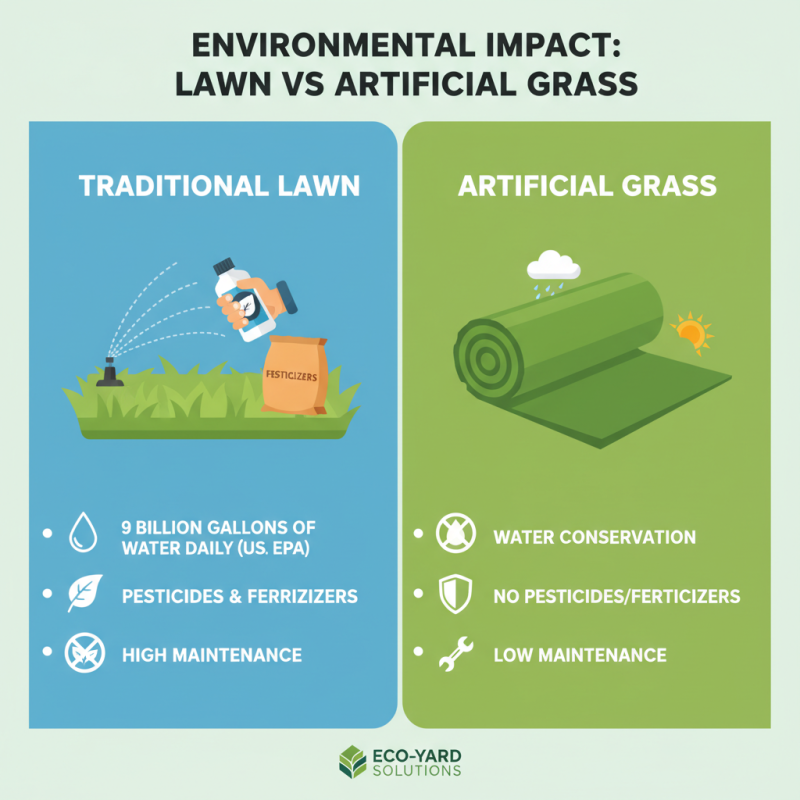
When considering artificial grass, it's essential to evaluate its environmental impact. Traditional lawns require extensive water, pesticides, and fertilizers. The U.S. Environmental Protection Agency (EPA) reports that residential lawns use nearly 9 billion gallons of water daily. In contrast, artificial grass conserves this resource significantly, offering a drought-resistant alternative.
However, the production of artificial grass has its challenges. Most types are made from non-biodegradable materials, often petroleum-based. This raises concerns about its end-of-life disposal. According to a 2021 report by the International Association of Synthetic Grass Installers, over 30 million pounds of artificial turf are discarded each year. Finding a sustainable option requires careful research.
Tip: Before installation, look for innovative products designed for longevity. These may include materials that are recyclable and use less energy in production.
Another aspect to consider is the heat retention of artificial grass. It can elevate temperatures in urban areas, creating “heat islands”. According to a study from the University of California, this can raise surrounding air temperatures by 5-10 degrees Fahrenheit. This limitation invites reflection on whether the aesthetic benefits outweigh these environmental costs.
Tip: Evaluate the installation location. Urban settings may require more attention to potential heat impacts compared to rural or suburban areas.
Recognizing Maintenance Requirements for Various Artificial Grass Types
When selecting artificial grass, maintenance is key. Different types of artificial grass have various upkeep requirements. For instance, some options may need regular brushing to keep the blades upright. Others are designed to be low-maintenance, requiring minimal care. Recognizing these differences is essential for making the right choice.
Think about how much time you have for maintenance. If you prefer a hands-off approach, look for grass types that promise easy care. An Artificial Grass Carpet with UV protection might require occasional cleaning to prevent stains. Dust and debris can build up over time, which detracts from its appearance. Neglecting proper care can lead to more extensive problems later.
Consider weather conditions in your area. Humidity and temperature can influence maintenance needs. In rainy locations, drainage becomes an issue. You might need to address mud buildup. In contrast, dry climates can lead to dust accumulation. Both scenarios call for different maintenance routines. Reflect on these factors to ensure your choice suits your lifestyle and environment.
Understanding Safety and Health Standards for Artificial Turf Materials
When choosing artificial grass, safety and health standards are crucial. Not all materials are created equal. Research shows that some Synthetic Turfs contain harmful chemicals that can pose health risks. It's essential to check certifications to ensure safety. A report by the American Society for Testing and Materials highlights that products should meet specific safety guidelines.
One common material is Pu Backed Artificial Grass. This type often boasts durability and longevity. However, it’s vital to evaluate its chemical composition. Some PU-backed options may still release volatile organic compounds (VOCs) during hot weather. These chemicals can lead to indoor air pollution if the turf is used in enclosed spaces.
Moreover, infill materials used in artificial grass can also impact health standards. For example, crumb rubber has raised concerns due to potential cancer risks. Industry experts recommend opting for safer alternatives, like organic or plant-based infills. These options may help reduce the risk of harmful exposure. While cost considerations matter, investing in safe materials is non-negotiable for the health of you and your family.
How to Choose the Best Artificial Grass for Your Lawn? - Understanding Safety and Health Standards for Artificial Turf Materials
| Material Type | Safety Standard | Health Impact | Lifespan (Years) | Maintenance Level |
| Polyethylene | ASTM F1292 | Low | 10-15 | Low |
| Nylon | ASTM D4236 | Moderate | 8-12 | Medium |
| Polypropylene | EN 71-3 | Low | 5-10 | Low |
| Thatch | ISO 11890 | Very Low | 15-20 | Low |
The Essential Guide to Turf Pro Artificial Grass: Customized Pattern Numbers for Gym Use
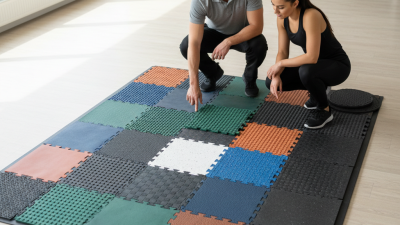
Artificial grass has become a transformative element in gym environments, revolutionizing how functional and conditioning training is approached. The Pro Style turf, crafted from PE material with KDK fiber and a robust 150g PET backing, exemplifies this innovation. Its design prioritizes not only durability and strength but also softness and flexibility, ensuring a safe and effective surface for diverse workout routines. With optimal friction, athletes can perform high-intensity exercises without the risk of slipping, making it an indispensable accessory for any multi-functional fitness facility.
Moreover, the aesthetic appeal of artificial grass cannot be understated. The Pro Style offers an extensive range of color options and various custom designs, allowing fitness centers to create an inviting and motivating environment for clients. This versatility enhances the gym's overall ambiance, contributing to a space where individuals feel energized and focused on their fitness goals. By integrating customized pattern numbers, the turf caters to specific training needs, making it an essential component that elevates the training experience and promotes a dynamic atmosphere within the gym.
FAQS
: The article aims to provide valuable insights on a specific topic. It encourages readers to reflect on the information.
Readers should consider their personal context when applying the suggestions. Practical implementation is key.
Yes, many overlook important details. Skipping steps can lead to inadequate results.
It's important to reassess your approach. Seeking help or additional resources can be beneficial.
Definitely, many resources are available. However, ensure they are credible and relevant.
Understanding the topic can lead to personal growth. It often relates to everyday life and decisions.
Yes, be cautious. Information can vary widely in accuracy and applicability. Always verify your sources.
Set clear goals and track your achievements. Adjust your methods if necessary to stay on track.
Reflect on your methods and outcomes. Learning from failures is part of the process.
Find inspiration in small wins. Engagement with supportive communities can also help maintain motivation.
Conclusion
Choosing the best artificial grass for your lawn involves several key considerations. Begin by understanding the different types of artificial grass available, each offering unique benefits. Key factors to consider include the product's durability, lifespan, and maintenance requirements, which can vary considerably between options. It's crucial to analyze cost factors as well, weighing the initial investment against potential long-term savings.
Additionally, the environmental impact of installing artificial grass should not be overlooked. It is important to recognize the safety and health standards applicable to materials used in artificial turf to ensure a safe outdoor environment. By evaluating these aspects, homeowners can make an informed decision that aligns with their needs and values regarding artificial grass.